About natural rubber latex %60drc
Natural rubber latex with a 60% Dry Rubber Content (DRC) is highly susceptible to microbial and oxidative decomposition. The decomposition is driven by bacteria consuming proteins and carbohydrates in the latex serum, leading to putrefaction, foul odors, and premature coagulation. To halt this process, manufacturers rely on specific preservation, controlled degradation, and environmental breakdown processes
Exceptional Elasticity and PurityThis natural rubber latex features high elasticity and a purity profile suitable for demanding applications. Its low ash and volatile content ensure consistent quality, making it the preferred raw material in the production of dipped goods, adhesives, and molded items. The formulation, stabilized with high or low ammonia, preserves the latex's properties throughout its shelf life.
Versatile and Safe Storage OptionsSupplied in secure steel drums, IBC containers, or bulk tankers at a standard net weight of 205 kg (per drum), the latex remains stable for at least six months under proper conditions. Store between 5C and 30C, avoiding sunlight and freezing, for optimal preservation. This ensures a reliable supply chain for manufacturers and traders.
Wide Applications Across IndustriesNatural rubber latex is integral for producing gloves, balloons, foams, adhesives, mattresses, and extruded or molded rubber products. Its excellent abrasion resistance and water-resistant properties enhance its value for industrial, healthcare, and consumer goods.
FAQ's of natural rubber latex %60drc:
Q: How should natural rubber latex 60% DRC be stored to maintain its quality?
A: Store the latex between 5C and 30C in a cool, shaded area, avoiding exposure to direct sunlight and freezing temperatures. Proper storage extends shelf life to a minimum of six months from the production date.
Q: What is the process for stabilizing this latex, and why is ammonia used?
A: The latex is stabilized by adding ammonia (NH3) at levels appropriate for high or low ammonia grades. Ammonia acts as a preservative to inhibit microbial growth, maintaining product stability and preventing premature coagulation during storage and transit.
Q: What types of packaging are available for this latex product?
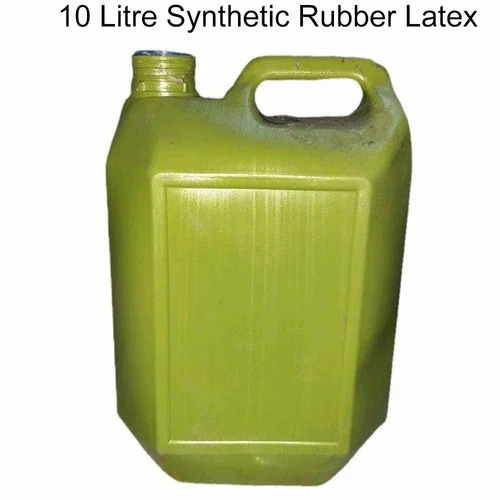
A: Natural rubber latex 60% DRC is supplied in 205 kg net weight steel drums, intermediate bulk containers (IBCs), or road tankers, catering to various volume requirements for manufacturing or trading.
Q: Where is this latex commonly used and what are its typical applications?
A: This latex is commonly used in industries manufacturing gloves, balloons, adhesives, mattress foams, extrusions, and molded rubber goods. Its high purity and flexibility make it suited for both industrial and consumer products requiring durable, elastic rubber.
Q: What are the primary benefits of using centrifuged natural rubber latex?
A: Benefits include high elasticity, low ash and volatile content, consistent dry rubber content (60%), and excellent workability as a raw material. These qualities result in reliable end products with desirable physical properties.
Q: When does the latex need to be processed after purchase?
A: To ensure optimal performance and preserve elastic properties, it is recommended to process or utilize the latex within six months from its production date, provided storage guidelines are followed.
Q: How does this latex resist environmental factors like water and chemicals?
A: While in liquid form, the latex itself shows low water absorption; once processed into solid rubber goods, it exhibits good resistance to abrasion, water, and mild chemicals, making it suitable for a wide variety of finished products.




 Send Inquiry


 Send Inquiry
 Send Inquiry
 Send SMS
